

Experiencing domestic violence can be frightening and isolating. Victims require a multi-faceted domestic violence support service system. Parties may need legal assistance, counselling services, mental health support, and more. We have worked with clients on cases involving domestic and family violence for more than a decade. Over that time, we have developed a holistic process to help them get the right help.
If you’re experiencing family violence, there are resources available:
DVConnect womensline: 1800 811 811
DVConnect mensline: 1800 600 636
1800RESPECT: 1800 737 732
If you’re in immediate danger, call the police on 000.
Key takeaways
Build a support system and reach out to domestic violence services.
Domestic violence orders are a key part of keeping victims safe.
There are critical resources available to protect children exposed to domestic violence.
Important national support lines provide assistance to victims of family violence.
We follow a rigorous process to ensure our clients receive the help they need.
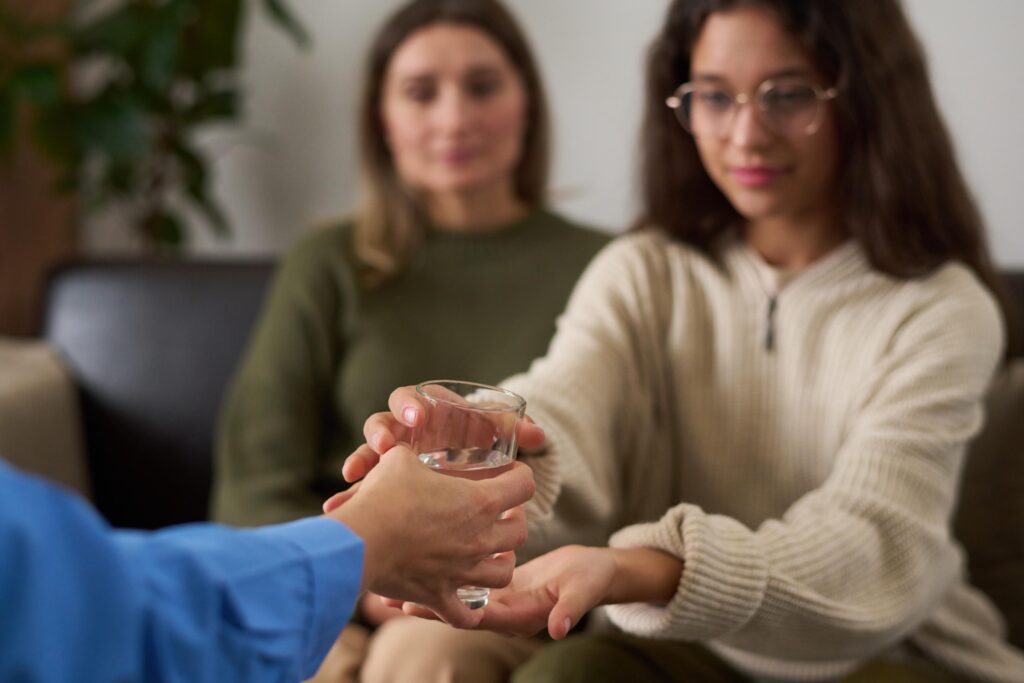
If you're in danger right now
If you and your child are at immediate risk of harm, contact the police as soon as you can. If you don’t feel comfortable doing so yourself, consider reaching out to a friend to do it for you. If possible, you may wish to move to a safe location, such as the house of a close friend or family member.
The police will assess the situation and whether there’s immediate danger. They may speak to both parties separately to understand the situation. An investigation may involve:
Deciding if medical treatment is needed.
Speaking with all parties present on the property.
Collecting evidence, such as photographs and recordings.
Arresting a party if appropriate.
If the police determine that the aggrieved is at risk, they may issue a police protection notice (PPN) or a police protection direction (PPD). These are similar mechanisms that the police may issue on-the-spot in certain circumstances. They both require the perpetrator to cease committing domestic violence against all parties named and will lead to criminal charges if breached.
One of the key differences is that the police must proceed with an application for a domestic violence order (DVO) after issuing a PPN. If they apply a PPD, they will not automatically apply for a DVO and the PPD will be in force for 12 months.

Ongoing local support once you're safe
Once you feel safe, you can consider your next steps for the longer term. What’s critical for our clients is to develop a strong support network around them. Here are the next steps to consider:
Connect with family and friends and how they can provide support.
Seek medical treatment if you’ve suffered physical violence.
Access local support services. DVConnect maintains a womensline and mensline that can help victims make a safety plan and find emergency accommodation.
Record the domestic violence you experienced during the relationship. Be as detailed as you can. This evidence can be important for securing a DVO.
Speaking with a family lawyer early can help you protect your legal interests. They may assist with developing strategies to organise property and parenting arrangements.
In Maroochydore, the Centacare Family and Relationship Services Sunshine Coast delivers vital assistance, including:
Domestic violence counselling services.
Court support for domestic violence matters.
An eight-week program for women experiencing violence.
A four-week program for mothers affected by violence through the Lotus Group.
Children by Choice. Children by Choice provides trauma-informed counselling for people who have experienced domestic violence. Their counsellors offer a supportive, non-judgmental space to help clients process their experiences and plan for their safety and wellbeing.
Safer in the Home. This program helps women who have experienced domestic violence to remain safely in their homes. It provides practical safety measures and support to reduce the risk of further harm without the disruption of relocating.
Keeping Women Safe. The Keeping Women Safe program assists women to remain in their homes following domestic violence. It works alongside existing support services to deliver coordinated safety planning and practical assistance.
Domestic violence orders
A DVO is a critical tool in keeping victims safe with court-based support. They prohibit the perpetrator from engaging in family violence against the aggrieved and any children named on the order. They’re typically in force for 5 years, unless the Queensland Magistrates Court grants a different timeframe.
If the police issued a PPN at their initial contact with you, they are required to follow up with a DVO application. If no PPN is in place, you can apply yourself or request that a close associate or your lawyer do so for you.
Your lawyer may apply for an urgent DVO while a final order is considered by the Court. An urgent order may be granted quickly and with less evidence. It will remain in force until the final order is decided on.
Support for children
Children can be severely affected by domestic violence, even if they are not the direct targets of it. The Maroochydore community has access to valuable domestic violence services dedicated to child safety, including:
SunnyKids. SunnyKids is a Maroochydore-based organisation that works with families to provide an integrated approach to victim support. They can organise emergency accommodation and refer families to relevant services.
Kids Helpline. This support line connects children experiencing domestic violence with counsellors who can speak to them about managing their emotional and psychological difficulties.

National crisis support lines worth knowing
There are various free and confidential services you can turn to if you’re dealing with family violence matters. Some crucial services include the following:
1800RESPECT. This is a national support line that provides services for victims of family and sexual violence counselling. It also offers crucial resources on safety planning, a database of local services, and information on supporting a loved one dealing with family violence.
13YARN. Lifeline-trained Aboriginal and Torres Strait Islander domestic violence counselling is available in a culturally safe space for family and relationship concerns. You will be heard without judgment and assisted with your journey.
Lifeline. Lifeline maintains a 24/7 support line for domestic, family, and sexual assault concerns. Speak to their mental health professionals when you have difficulty coping with your circumstances.
Men’s referral service. Men who use domestic violence and want to change can access intervention programs. Counselling, information resources, and referrals to appropriate services can help them alter their behaviour.
Brisbane Domestic Violence Service. This service offers free, confidential support 24 hours a day, seven days a week. It provides crisis intervention, safety planning, and referrals to appropriate services for people affected by domestic and family violence.

Who we actually call first, and why
When working with people affected by domestic violence in a personal relationship, our experienced team has developed a rigorous process to help them get the support they need. Here are our basic steps.
Identify urgent legal issues
We need to understand your immediate safety concerns. This might include contacting the police and connecting you with services such as emergency accommodation. Depending on your circumstances, we may begin proceedings for an urgent DVO, parenting order, or property order until longer-term solutions can be arranged.
Understand existing proceedings
Our team may need to review legal proceedings started by the police or previous representation. This helps us determine your current legal position and any vital deadlines we have to meet.
Develop a legal strategy
Once your and your children’s safety has been accounted for, we can work with you to plan the way forward. We can explore opportunities for mediation if safe to do so, or organise evidence to pursue litigation for property and parenting matters.
Manage communication
Communicating directly with the other party is often not appropriate in cases involving domestic violence. When necessary, we can maintain lines of communication with your former partner’s representation on your behalf.
Walk you through the process
It’s easy to feel overwhelmed, especially when you’re going through multiple legal processes at the same time. We will make sure that you fully understand each step we will take together and what’s required. Our approach is tailored to each client’s individual case and focuses on providing practical advice.
Conclusion
Managing domestic and family violence issues during the legal process can involve various support services. It’s important for a family lawyer to be able to work with at-risk clients to navigate their case safely and effectively. That involves understanding the client’s position and the local resources available.
Are you working through a domestic and family violence case?
There are many ways that victims can experience domestic violence. From physical and sexual abuse to financial coercion, each circumstance requires a unique approach.
Our team has experience working with clients through complex and sensitive cases. Contact us today for a free discovery call.
Disclaimer: This article provides general information only. It is not legal advice. Family law outcomes depend on your circumstances. You should speak with a family lawyer before making decisions about your matter.
